Medieval History
600 – 1453
Fall of Rome ~ Fall of Constantinople
Greek → Roman → Byzantine → Medieval Europe
6C 3대 파워
중세의 시작: 6C 3대 파워 is 이슬람 / 비잔틴 / 서유럽
시대의 전환 (고대→중세)
- 이슬람
- 지역: 북아프리카 & 중동 (고대 니어 이스트)
- 사람: 아랍 & 무슬림
- 비잔틴=비잔티움=동로마=동유럽 (~1453)
- 지역: 터키, 그리스, 발칸반도 일부 (= 오늘의 동유럽)
- 동로마 (395~1453) → 비잔틴 (600~1453) → 오스만 (1453~1931)
- 서유럽=서로마
3대 파워 공통점:
- 로마제국(Hellenistic그리스 역사(4~1C BC) & 로마 전통)의 후계자들
- 일신교
페르시아 (고대 파워)
- 6C: 비잔틴 압박하는 큰 파워
- 코스로에스 2세(Chosroes II): 611~614 시리아/예루살렘 정복, 620 이집트 정복
- 651: 페르시아, 이슬람 의해 멸망
Result
- 15C Powers
- 동로마 함락
- 봉건사회 종식
- 서유럽 교회 대분열
서로마/서유럽
중세유럽, 서유럽
Western Roman Empire: 서로마제국
=로마가톨릭교회
7–8C : 프랑크 왕국 시기
- 게르만족 대이동
⇓
非로마 왕국 대거 출현, 그 중 프랑크왕국甲 ∴왕↑
9–10C : 포스트 카롤링거 시기
- 봉건제도
⇓
多정치제도(왕-봉건관계) ∴왕↓ - 포스트 카롤링거: 카롤링거 왕조의 해체 이후, 카페왕조가 설립되기 전까지의 중세
- 봉건제도: Feudalism, or Local Rule
봉건제도의 출현 (10~11C)
- 봉건 제도: 중세 북·서유럽 통치자-귀족 간의 관계 제도; 왕(봉지fief) ⇄ 귀족(충성심, 군사의무) [Local allegiance]
- sub-tenants: 귀족은 왕으로부터 받은 봉지를 또 다른 봉신에게 주고 충성을 구하기도 했음
- 기사(Knight) & 성(Castle): 중세 유럽 군대의 근간; 봉건 사회에서 feudal lords에게 충성하는 엘리트 계층의 전사로 발전
- 봉건 제도의 변화: 14C; 사회 변화로 군사의무⇄돈이 교환되는 “bastard feudalism” 변종하여 출현
- 봉건 제도의 종결: 16C; 봉건 유대(tie) 약화 + 영역에 대한 왕의 직접적 지배권 행사
- 중세 사회의 구성: 3개의 집단
- 기도하는 자(prayers): 수도자(monks)
- 싸우는 자(fighters): 기사(knights)
- 일하는 자(workers): 소농(peasants)
- 폭력 억제를 위한 시도
- 신(神)의 평화(Peace of God): 10C 이후 남 프랑스 교회의 주도로 이루어진 민간인·재산을 침해하지 않겠다는 서유럽 봉건 귀족 사이의 서약
- 하느님의 휴전(Truce of God): 특정 요일에 전투 중시하라는 중세 교회의 명령
포스트 카롤링거의 정치 공동체
- 카롤링거 왕조의 해체 이후 유럽에는 다양한 정치 제도 등장
- 이탈리아: 권력의 중심은 도시(cities) (고대 로마의 정치적 구조 반영)
- 영국: 강력한 왕들 (옛 Wessex의 왕이자 통일된 영국의 첫 왕인 앨프레드 대왕(Alfred the Great) (r. 871~899)은 바이킹 침입자들을 물리치고, 왕실 정부 개혁을 설립하고, 고대 영어(Anglo-Saxon)를 문학과 왕실 행정에 사용)
- 프랑스: 나약한 왕들; 강력한 귀족lord(공작, count, 주교)들이 성을 지으며 countryside 지배
- 신성로마 제국의 성립 962
11C : 시각의 변화기
- townspeople 봉건사회X 사회의 새로운 범주에 속함 (봉건권력자로부터 코뮌의 독립 요구)
+
군주제 부활 (왕↑)
=
부유 - (비)재건: Comnenian dynasty
(영) 노르만 통치
(프) 군주제 부활에 참여 (독) 포스트 그레고리우스 시대 왕권 회복 - [상인] 상엽혁명
- Commercial Revolution ⇒ 종교와 정치에 영향
- money (new cash, profit-based) 경제 등장
- 도시, 무역, 농업 생산 증가
- villages/fortifications: 상인들이 사업을 덜이는 장소로 발전
- money에 대한 새로운 시각
- 카롤링거 & 포스트 카롤링거 시기에는 긍정적
- 11C부터 비난; 비도덕적 영향 강조 (이유: new money 경제, 급증하는 도시, 부유한 상인 및 거래 계층의 성장
- [교황] 교회개혁
- ⇒서임권투쟁(Investiture Conflict)
- ⇒가난을 강조하는 새로운 수도원 명령
- ⇒십자군 원정(Crusades)
- [Crusader] 십자군 원정
- [왕] 군주제
- 상업 혁명 ⇒ 왕권↑⇒ 군주제 부활
상업혁명
- 도시인+군주제(부활) ∴왕↑
- 농업 + 경작↑ ⇒ 새로운 도시 인구 ⇒ profit-based economy 창출
- 도시 비교
- 중심지
- 성
- 수도원 / 교회
- 시장 (경제활동 장소; 주변)
- townspeople = 사회의 새로운 범주에 속함 ( 前사회 범주에 속하지 않음)
- 자유: 자치 행정/법정
- 도시 독립 운동 : 정치 권력자(왕>지방영주>주교)에게 자치권 청원
- 코뮌(communes): town의 자치 제도
- Cities:
- 유대인 (장거리 traders: 이탈리아인 & 유대인)
- 1) 고대/로마 시기 trade: 지중해, 변화X
- 2) 중세 trade: 북, 변화O
- 카롤링거 시기: 유대인, 기독교인과 같은 구역에서 생활
- 10C: 정치 권력 분열 → 지방 영주에 대한 금지령 → countryside 재조직 → 유대인 추방
- 11C: 기독교인과 도시 생활을 했지만 시민권無
- 중심지
- Partnership, Contract, enterprise
- 파트너쉽
- 계약: 판매, 거래, 대출
- enterprise: 대규모 제조 enterprise
- 11~12C: 3 가지의 의한 새로운 business 창출 (근대 자본주의의 근간)
교회개혁
- 왕 & 지방 영주 (관직) ⇄ 주교 (선물)
- 목적: To “liberate the church” from “the world” (세속, 통치자, 부, 권력)
- 교회와 세속의 관계에 대한 시각 변화
- 前: 봉건 통치자의 영토 내 교회들에 대한 (신의 뜻을 받은) 통치권을 인정
- 11C: 교회에 대한 세속적 권력 비난 (사람들은 papacy가 종교 개혁을 이끌기를 바람)
- 교회 개혁은 교회를 세속으로부터 독립하기 위해 시작되었으나 결국 교회는 새롭게 창조한 세상에 완전히 개입
- <개혁의 시작>
- 클뤼니 수도원 개혁(Cluniac Reform)
- Benedictine monastery of Cluny: 아키텐(Aquitaine)의 공작, 910년 창립; 개혁의 초기 단계
- 수도원 창립자들은 수도원에 대한 지배권을 유지하지 않고 Saint Peter와 Saint Paul에게 넘기면서 가장 강력한 성인이 수도원을 지배하도록 함
- Cluniacs: 클뤼니(Cluny)의 수도원장(abbot) & 수도자(monk)
- 제국의 교회 개혁
- 제국 (Ottonians이 건립한 독립국(political entity)) 내의 성직자들이 교회 개혁 요구하기 시작
- 교회법(canon law)에 대한 새로운 해석으로 3가지 위반을 주장
- ①성직자의 혼인(clerical marriage)
- ②성직 매매(simony): 교회 직위를 돈으로 사는 일
- ③평신도 서임권(lay investiture): 법 지도자가 성직자들 지위에 서임하는 일
- 레오 9세 & 교황권의 확장
- 황제가 아닌, 자신의 지배로 교회 개혁 펼침
- 교황의 권력을 강조한 교회법 교과서인 『The Collection in 74 Titles』 개발 지원
- 1049: 랭스 공의회(Council of Reims)
- 1054: 동서 교회 분열(schism) 시작 (이후, 가톨릭 교회와 그리스 정교회 분리)
- 클뤼니 수도원 개혁(Cluniac Reform)
- <그레고리오개혁(Gregorian Reform) & 서임권투쟁(Investiture Conflict), 1073~1122>
- 교황의 개혁 운동 = 그레고리오개혁 (결과 ①성직자의 혼인 ②성직 매매 X ③평신도 서임권(lay investiture))
- 서임권투쟁 (1073~1122):
- 그레고리우스 7세 vs 하인리히 4세 간의 대립
- 전자, 황제가 교회에 간섭하는 것을 반대; 후자, 교회 개혁 반대
- 하인리히 4세가 밀라노 대주교 임명할 때 그레고리우스 7세가 그의 서임권을 반박하면서 시작
- 그레고리우스 7세, 교회 회의(synod)를 열어 하인리히 4세를 파문하는 포고령 발표 (하인리히 4세 항복)
- 1122: 보름스협약(Concordat of Worms), 서임권투쟁을 해결한 절충안
- <개혁의 영향>
- 성사(sacrament) 새롭게 강조, 성직자 독신주의 시행
- papal monarchy: 교회법 체계화 (Gratian 『the Decretum』)
- 가난에 대한 수도원의 새로운 명령
- Carthusians(카르투시오회) vs Cistersians(가톨릭 베네딕토 원시회칙파의 주축을 이루는 개혁수도회)
- 성(聖) Bernard: Cisterian 수도원장, abbot, 제2차 십자군의 주된 인물
- 십자군 전쟁
십자군원정
- 분리된 두 역사적 운동의 정점: 순례(pilgrimages) & 성전(holy wars)
- 유럽 해외확대의 첫 단계로 추후 제국주의로 발전
- <제1차 십자군 전쟁, 1096~1099> : 예루살렘으로의 대규모 군사 순례
- 원인: 셀주크튀르크의 소아시아 등장
- 1095: 알렉시우스 1세, 교황 우르바노 2세에게 십자군 파견 요청 (셀주크튀르크의 예루살렘 지배권 확대 우려)
- 초기: People’s/Peasants’ Crusade, 교황 정식 출발 날짜 이전 라인 지방 습격 + 유대인 학살 (무슬림 공격 전에 자기 나가에 거주하는 infidel 먼저 공격)
- 목표: 성지(Holy Land) 무슬림으로부터 탈취 + 기독교 지배
- 결과:
- 1095: 라인 지방(Rhineland) 유대인 학살
- 1099: 예루살렘 약탈
- 1109: 십자군 국가 설립 (정복한 영토, 알렉시우스 1세에게 반환되지 않고 원정 지휘관들이 분할되어 국가 설립)
- <십자군 국가(Crusader States)>
- 영주권(lordship)으로 운영
- 성전기사단(Knights Templars): 새로운/군사적 수도원 제도 (수도자들과 달리, 이들은 전투에 헌신)
- <제2차 십자군 전쟁, 1147~1149>
- 원인: 1144, 셀주크튀르크 족장 Zengi, 에데사 백국(county of Edessa)라는 십자군 국가 정복
- 특징: 첫 군주 참여 (루이 7세, 콘라트 3세; 제1차, 백작, 공작이 이끔) + St. Bernard
- 결과: 루이 7세와 아키텐의 엘레오노르(heiress/Eleanor of Aquitaine)의 이혼 (엘레오노르는 바로 노르망디 공작 헨리와 결혼했으며 1154년에 그의 남편은 영국의 헨리 2세왕으로 재위)
- <십자군 전쟁의 장기적 영향>
- 1291: 십자군 국가, 무슬림에게 정복
- 무역을 자극했으나 없었어도 상업 혁명을 일어났을 것
- 중동의 이슬람 분열 악화 (원인X): 무슬림들은 유럽인들이 그들에게 주변적인 중요성을 가진 지역에 개입했다는 사실에 혼란스러워 했다. 예루살렘에서는 수니파-시아파 간의 분열이 무슬림-기독교인 간의 분열보다 더 심각했다.)
- 군주제의 부활
- 상업 경제의 도움으로 왕의 권력 강화 (예외: 독일 황제, 서임권투쟁으로 권력 약화)
- 비잔틴 재건 (Comnenian dynasty)
- 영국 노르만 통치
- 프랑스, 군주제 부활에 참여
- 독일, 포스트 그레고리우스 시대 왕권 회복
12C : 중세의 개화기
- 정부 (王-영토) 교육 발전의 산물
+
문화 발전 - (영) 왕↑
(프) 왕↑+정복
(독) 왕↓
(비) 왕↓ + Vernacular High Culture 발전 - 새로운 건축 양식: 고딕(Gothic) 양식 (당 시대의 다른 트랜드의 기초)
새로운 교육 방식: 대학의 발흥 ⇒ 교육 발전 ⇒ [정치] ‘정부’ 제도
고딕 교회와 대학 = 신(divine)의 영역과 접촉하는 지식으로 인간을 안내 - 교육
- 카롤링거 시기: 학교, 수도원, 대성당과 연결 (성직자 양성하는 곳)
- 12C: 학생수의 중가로 스승들은 수도원과 대성당 밖에서 수업 개설
- 중세 학교의 7개 교양 과목(Liberal Arts):
- 삼학과(trivium): 문법(grammar), 논리학(logic), 수사학(dialectic)
- 4과(quadrivium): 산술(arithmetic), 음악(music theory), 기하(geometry), 천문학(astronomy)
- 논리학甲: 모든 질문의 순서·명확성 제공 (특히, 종교 문제)
- 대학: Bologna & Oxford
- 건축
- 로마네스크 양식(Romanesque; 10~12C) → 고딕 양식
- 시초:
- 1135: Abbot Suger의 church of Saint-Denis 부분적 리모델링 계획
- 12C 일드프랑스(Île-de-France)의 카페 왕실에서 시작; 13C 유럽 전체로 전파; 14C 대성당의 전형적 양식
- 지역마다 양식 달라 (특히, 이탈리아 예: Sant’ Andrea at Vercelli)
- 역할 변화
- 로마네스크: 예, 11C Cluny 수도원; 기도하는 장소 (기도: plainchant(Gregorian chant)라는 음악적 방식으로)
- 고딕: 도시의 양식으로, 상인·길드(guildspeople)·주교·왕의 부와 권력을 반영; monastic교회보다는 cathedral(주교의 주 교회); 고딕 교회는 도시의 종교·사회·상업적 중심
- ‘정부’ 제도: 교육 발전의 산물
- 12C 중세 왕권의 기반: 통치자는 ‘사람의 왕’이 아닌 ‘영토의 왕’
- 사람의 왕: 통치자의 정치 권력 개인적(친족kinship/충성vassalage) 관계에 의존
- 영토의 왕: 국가 영토 모든 사람 통치 (✔로마법(Roman law) 기반
- 강력한 중앙 통치 strong central rule
- 관료 행적 bureaucratic administration
- 학교 → 로마법 연구 → 강력한 중앙 통치 (governmental system, state-building의 과정)
- 국가별 정부 제도 현황
- 영국: governmental system 제도화 (이미 정착); 관습법에 의한 연합
- 프독: 발전 초기 단계
- 동유럽: X
- 비잔틴: bureaucracy 실패 (서유럽 크루세이드 정복 위험)
- 국가별 왕권 현황
- 영국: 왕권 강력+부유 관습법 의한 연합(내전으로 쇠약해진 왕권 회복)
- 혼인 상속
- 영국 전체 통치
- 왕권 약화 전쟁 패배로 왕권 귀족에 의해 약화
- 프랑스: 왕권 강화 + 정복 약점에도 확장
- 독일: 왕권 약화 서임권투쟁으로 왕권 약화
- 동유럽 & 비잔틴: 분열
- 12C 중세 왕권의 기반: 통치자는 ‘사람의 왕’이 아닌 ‘영토의 왕’
- Vernacular High 문화의 발전
- 음우시인(Troubadours): 프랑스 남부의 12~13C 구어체 시인 (주제: 사랑, courtesy, longing)
- 영국은 앞섰지만, 유럽에서 처음으로 시와 노래가 라틴어가 아닌 구어체로 작성
- 서시시(epic) & 로맨스(romance) 문학
- 무훈시(chansons de geste): 기사와 영울을 주제로 한 12C 서사시
- 음우시인(Troubadours): 프랑스 남부의 12~13C 구어체 시인 (주제: 사랑, courtesy, longing)
- 종교 운동과 십자군 전쟁
- 도시의 새로운 종교적 운동: Franciscans
- 1189~1192: 제3차 십자군 전쟁
- 1202~1204: 제4차 십자군 전쟁
고딕교회
대학
- 교육↑
⇓
정부(왕-영토) + VH문화 ∴왕↑
13C : 질서의 시도기
- 무질서 +제국의 위기
⇓
(교황↓+ 제국↓) ∴왕↑ - 중세 질서(medieval synthesis): 질서(order, unity, harmony, synthesis)에 대한 열망, 결과는 무질서 (통합 위협)
- 교회
- 교회: 제4차 라테란 공의회(4th Lateran Council)
- 종합적인 교회의 법을 통한 기독교인 사회 질서의 창출 (이단 진압) ⇒ 교황 약화
- 문화
- Scholasticism: 종교와 세속 영역의 공통점 발견하여 신앙와 논리의 화해 시도
- 정치
- Representative institution, 통제를 통한 정치 질서 달성
- (신성로마 제국 약화: 몽골의 공격, 자연 재해(가뭄, 흉작))
- 교회
- <1> 교회
- 사명: 교회를 통한 사회 질서
- 인노첸시오 3세: 제4차 십자군 전쟁, 대학에서 공부한 첫 교황, Fourth Lateran Council
- 교황의 약화: Avignon Papacy,1309~1378: 로마 교황청을 로마에서 남프랑스의 아비뇽으로 이전한 사건
- <2> 문화와 사회
- 목표: 종교와 세속 영역의 화합
- 학문: Scholasticism, 신앙과 논리의 화해 (아리스토텔레스의 논리학 적용)
- 음악: 종교-세속 음악을 융합할 방법 모색
- 폴리포니(polyphony): 2개 이상의 멜로디의 조화
- 모테트(Motet): 13C 음악, 종교와 세속 가사의 융합 (라틴, 종교 음성; 프랑스어 세속 음성)
- 문학: 작가들은 현세-후세 관계 탐구 (천국-지옥 화합 표현)
- 단테(Dante Alighieri): 신앙의 수수께끼와 사랑의 시 융합 (Vernacular 문학의 대표적)
- 건축: 고딕 양식의 예술 (Saint-Denis & Chartres)
- <3> 정치: Representative Institution
- 프랑스: 루이 9세, 교회우호적 정책
- 영국: Parliament
- 스페인: Cortes
- 이탈리아: Signori
- 신성로마 제국의 약화
- 몽골의 칩입(Mongol Invasion)
- 몽골족, 칭기스칸의 위혐
- 골든 호드(Golden Horde): 몽골제국이 러시아에 설치한 정치 제도 (13~15C)
- The Great Famine (1315~1322)
- 몽골로 인한 유럽의 경제적 위기, 무능한 정치, 자연재해 => 북유럽의 great famine
- 몽골의 칩입(Mongol Invasion)
14C : 르네상스 Trecento
교황↓ ∴왕↑
(동유럽) new정치조직: 한자동맹
(서유럽) 중앙 정부의 강력한 국가: 15C 강국 스/프/잉/브루고뉴 (이) 5개 권력 (공화국) 스/베/피
- 질병
- 흑사병
- 대기근
- 교회분열
- 1378-1417 서교회 분열
- 전쟁
- 1337-1453 백년전쟁
15C : 르네상스 Quattrocento
Local Allegiance of the Feudalism
- King / Ruler (sovereign of a kingdom):
- ⇄ Nobleman
- grants land, titles, or privileges
- receives loyalty, military service, and political support
- Local Lord (territorial ruler):
- ⇄ Vassal (including counts among fideles)
- provides land, protection, and legal authority
- receives loyalty and military service
- Feudal Lord (overlord of multiple territories):
- ⇄ Castellan (holder of a castle)
- provides oversight, resources, and legal authority
- receives administration, defense, and local management of lands
- Castellan (castle administrator):
- ⇄ Peasant (laborer working the land)
- provides protection, security, and access to land
- receives labor, produce, or rent
- Bishop (church authority with territorial influence):
- ⇄ Layman (non-clerical commoner)
- provides spiritual guidance, ecclesiastical protection, and governance of church lands
- receives tithes, labor, or support
Late Middle Ages (위기, 르네상스 황금기)
① 위기 – 흑사병, 백년 전쟁, 콘스탄티노플의 함락, 교회 Schism
② 르네상스 – 고대(ancient/classical) 문화의 새로운 가치 발견
③ 왕권 강화
<위기>: 질병 / 2번의 전쟁 / 교회 Schism>
- 흑사병 The Black Death, 1346~1353
- 백년 전쟁 The Hundred Years’ War, 1337~1453 (영vs프)
- 오스만 제국에 의해 콘스탄티노플 함락, 1453
- 1378~1417년의 대분열
<르네상스> 1350~1600
- Humanism
- 고대 라틴·그리스어와 그 언어로부터 오는 가치·감성을 부활시키기 위한 목적으로 이탈리아 반도의 도시국가에 사는 도시인이 그들의 도시·독립적 생활과 고대의 국가도시의 경험 간의 유사점을 보고 그들 사이에서 발생하여 14~16C에 유럽에 널리 퍼진 문학·언어학 운동
- Francis Petrarch
- 예술
- 건축
- 계획도시: 피렌체 건축가 Leon Battista Alberti; 중세 도시는 무계획; 시스티나 채플(Sistine Chapel)의 사이드 벽에 그려진 프레스코화에는 화가 Perugino가 예수가 완벽한 균형의 교회가 중간에 있는 이상적인 도시의 광장에서 제자 베드로에게 천국의 키를 주는 모습을 그림
- Piazza/Plaza: 열린 광장; agora & forum (고대의 열린 공공 공간)가 플라자의 형태로 중세 도시에 재등장
- 중세의 고딕 성당: 르네상스 건축가들을 뾰족한 아치형 건축물이 주는 고딕양식의 활력을 존중하면서도 고대 건축물의 균형잡힌 기하학적 양식도 추가
- 조각품, 미술품:
- 고대에서 새로운 주제를 찾음: 사랑과 미의 여신 비너스는 많은 중세 이야기의 주인공
- Sandro Botticelli, Leonardo da Vinci
- 건축
<왕권 강화>
- 동유럽: 새로운 정치 조직
- 권력 강화 시기 = 신성로마제국의 수도가 프라하로 이전 + 리투아니아(Lithuania; 발트 해 연안의 국가) 공작과 폴란드의 왕비의 혼인 (두 국가 통합)
- 한자동맹(Hanseatic League): 14C 북유럽 도시(북유럽 상업권의 패권을 잡던 발트해 연안과 북해 주변에 있던 북독일의 도시) 간의 동맹; Hansa = ‘집단’; 뤼베크 중심으로 모이기 시작했으나 규모가 커져서 경제적, 정치적 연합으로 단결되어 여러 상업적 이권을 독점
- 서유럽: 강력한 국가 (왕권 강화란, 중앙 정부(central government)의 강화)
- 15C
- 강국 스페인 왕국(kingdom of Spain) 1469, 혼인으로 왕권↑
- 브루고뉴 공국(duchy of Burgundy) 1369, 혼인으로 건립
- 프랑스 왕국(kingdom of France) 루이 11세, 군주 영토 확장 + 왕권 강화
- 잉글랜드 왕국(kingdom of England) 헨리 7세
- 이후 브루고뉴가 사라지고, 3개의 monarchy 강력
- 이탈리아: 多국가도시 5개 권력에 의해 지배 (밀라노, the papacy, 나폴리, 베네치아 공화국, 피렌체 공화국
- 15C
- 공화국 (스위스, 베네치아, 피렌체)
- 15C, 군주제가 강력했던 시기에 3개의 예외: 스위스, 베네치아, 피렌체; (self-rule의 전통을 가진 공화국들)
- Swiss Confederation (스위스: Swiss Confederation로 前비공식적 동맹을 강화
Byzantine History
동로마
비잔틴제국
Eastern Roman Empire: 동로마제국
=그리스정교회
600~1453
5th–7th Centuries: Early Byzantine Empire (395–717)
- Emperor Justinian I (r. 527–565)
- 568: Italy lost to the Lombards
- 603–628: Byzantine–Persian War; Byzantine victory
7th–8th Centuries: Byzantine Dark Ages (600–867)
- 570–750: Invasions by Muslims, Persians, Lombards (Italy), Slavs/Avars (Balkans), and Bulgars
- Key Dates:
- 603~623 비잔틴-페르시아전쟁 (승)
- 637 예루살렘 정복
- 641 이집트 정복
- 681 불가리아, 불가르족의 새로운 국가로 인정
- 698 카르타고 정복
- 726~787 성상 파괴령
- Muslims
- Arab Muslim invasions (620s): end of Byzantine rule in North Africa
- 637: Fall of Jerusalem
- 640: Fall of Alexandria and Egypt
- 698: Fall of Carthage
- Arab Muslim invasions (620s): end of Byzantine rule in North Africa
- Persians
- 6th century: Before the rise of Islam, the Sasanian Empire was Byzantium’s greatest threat
- Lombards, Slavs, Avars, Bulgars
- Po Valley: Conquered by the Lombards (572)
- Balkans: Lost through Slavic and Avar invasions and peaceful settlement
- Bulgaria: Recognized as a new Bulgar state (681)
- 726–787: Byzantine Iconoclasm
- Imperial ban on religious icons; beginning of the Iconoclastic Controversy
- Initiated under Emperor Leo III
- Pope Gregory II opposed iconoclasm, arguing that visible images were necessary for converting Germanic peoples
- This conflict marked the beginning of opposition between the Eastern and Western Churches
9th–10th Centuries: Macedonian Renaissance (867–1056)
- 비잔틴 황금기★, 마케도니아 왕국의 회복, 비잔틴의 영토 확대
- 바실리우스 2세 (r.963~1025)
- 오늘의 동유럽 형태 형성 시기 (850~950) – 800에 벌써 슬라브족이 정착
- Key Dates:
- 1001~1018 불가리아 정복
- 1014 Battle of Kleidion
- 1025 이슬람 등장 후 비잔틴 영토가 가장 컸던 시기
- Restoration under the Macedonian dynasty
- 1025: Greatest territorial extent of the Byzantine Empire after the rise of Islam (expansion from 860–1025)
- Battle of Kleidion (1014): Byzantines vs. Bulgarian Empire
- Bulgarian defeat under Basil II (“the Bulgar-Slayer”) (r. 963–1025)
- 1001–1018: Byzantine conquest of Bulgaria
11th Century and After: Byzantine Restoration
- Byzantine restoration under the Comnenian dynasty (1081–1185)
- Alexius I Comnenus (r. 1081–1118): Came to power ten years after the Battle of Manzikert; revived the weakened dynasty; requested Crusader assistance from Pope Urban II
- Attacks on all fronts: Normans, Seljuk Turks, Balkans
- Emperors relied on mercenaries and dynatoi
- Result: political power transferred to the aristocracy in exchange for military support
- 1071: Battle of Manzikert
- Byzantines vs. Seljuk Turks
- Seljuk Turks exploited neglect of the eastern frontier and annihilated the Byzantine army
- Kingdom of Jerusalem (1099–1187): A feudal state established by Crusader remnants to secure the Holy Land
Late 12th Century: Decline and Fall of the Byzantine Empire
- Fragmentation of imperial authority
- 1187: Fall of the Kingdom of Jerusalem
- Jerusalem recaptured by Saladin
- Collapse of the Crusader state established after the First Crusade
- 1204: Sack of Constantinople by the Crusaders
- May 29, 1453: Fall of the Byzantine Empire to Ottoman Sultan Mehmed II
(Great Seljuk State 1037-1194 / Sultanate of Rum 1077-1307)
- 예루살렘 왕국 (1099~1187)
- 1099 십자군, 예루살렘 약탈
- 1187 Saladin 의해 멸먕
- 1204 십자군, 콘스탄티노플 약탈
(Great Seljuk State 1037-1194)
- 노르만 : (동서 Schism of 1054 위기를 틈타서 비잔틴 이탈리아 공격)
- 발칸의 공격
- 콤니노스 왕조 (Komnennian Dynasty) (1081~1185) : 알렉시우스 1세 (r.1081∼1118)
- 1144 셀주크튀르크, 십자군 국가 정복
- 1071 만지케르트전투 (셀주크튀르크, 비잔틴 군대 대학살)
(Sultanate of Rum 1077-1307)
- Angelos Dynasty (1185~1204)
Byzantine-Ottoman Wars (1299-1453)
- 콘스탄티노플의 함락 Fall of Constantinople (오스만 제국 의해 비잔틴 멸망)
Eastern Europe Today
- Under Byzantine influence: Bulgaria, Serbia, Russia
- The basic shape of modern Eastern Europe formed between 850–950
- Slavic settlement already established by around 800
Mongolia (The Steppes)
몽골제국 (1206-1405)
- 칭기즈 칸 (r.1206~1227)
- 1258 아바스 왕조 멸망시킴
- 1279 쿠빌라이 칸, 송 자악 + 원 건립
Timurid Empire (1370-1507)
- 티무르 르네상스 = Italian Quattrocento
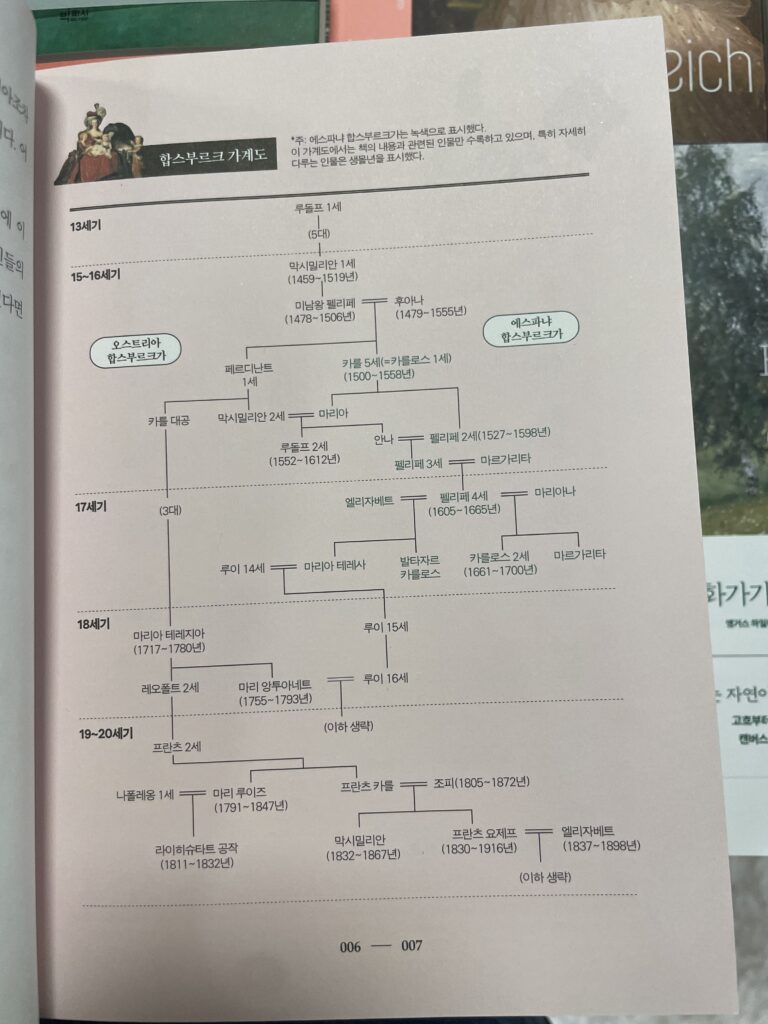
Habsburg History
Islamic History
Emergence of Islam (610–632)
- 610: Prophet Muhammad (Merchant-turned-holy-man from Mecca,) founds Islam on the Arabian Peninsula
- 622: Hijra (1 A.H. (anno Hegirae) is equivalent to 622 C.E.; thus, it is the first year in the Muslim calendar,) — Muhammad’s migration from Mecca to Medina; beginning of the Islamic calendar
- 624: Battle of Badr — Muhammad victorious; defeat of the Quraysh (A tribe that dominated Mecca, in which Muhammad’s uncle who cared for him was the leader,) tribe, which opposed the public practice of Islam in Mecca
- Muhammad exercised both religious and secular authority (this dual role as prophet and political leader became the model for later caliphs (Muhammad’s successors.))
- Two types of Arabs
- City dwellers
- Bedouins (nomadic peoples in Arabia): Islam began as a religion of urban society and later expanded with the military support of the Bedouins
Islamic Empire (Caliphates) (632–1258)
Rashidun Caliphate (632–661)
- Successors of Muhammad (the “Rightly Guided” Caliphs)
- Abu Bakr (The first Rightly Guided (Rashidun) Caliph of Islam.), First Caliph: Period of conquest
- Entry into the Persian (Sasanian) Empire and Byzantine Syria
- Umar (r. 634–644), Second Caliph: Period of expansion beyond the Arabian Peninsula
- 637: Conquest of Jerusalem
- 641: Conquest of Egypt
- Conquest of North Africa
- 642: Conquest of the Persian (Sasanian) Empire
- Uthman (r. 644–656), Third Caliph: Origins of the two major branches of Islam (Shiʿa / Sunni)
- Beginning and development of the Shiʿa–Sunni division
- Originated from the dispute over Muhammad’s successor after his death in 632
- The first two caliphs ruled without major opposition
- Dissatisfaction with Uthman, who belonged to the Umayyad clan; rivals allied with Ali of the Hashim clan and assassinated Uthman
- Civil war between the Umayyad faction and Ali’s faction (Ali was killed; the caliphate passed to the Umayyads, 661–750)
- Ali’s followers became the Shiʿa, while the rest of the Muslim community became the Sunni; loyalty to each branch continues to the present
- 651: Complete conquest of the Persian (Sasanian) Empire
- Reasons for rapid expansion during the Rashidun period (632–661)
- Weakening of the Byzantine and Sasanian Empires due to prolonged warfare
- Support from dissatisfied Christian and Jewish populations in Byzantine and Persian territories, who welcomed Muslim rule (e.g., Christians in Syria and Egypt persecuted by Byzantium)
- Beginning and development of the Shiʿa–Sunni division
- Ali (r. 656–661), Fourth Caliph
Umayyad Caliphate (661–750)
- Successors of the Rashidun Caliphate
- Founded by: Muʿawiyah
- 698: Conquest of Byzantine Carthage
- 711: Victory in Spain
- End: Overthrown by the Abbasid Revolution and revolts by anti-Umayyad factions (Seat of government moved from Damascus to Baghdad under the Abbasids)
- Umayyad Emirate of al-Andalus (Islamic Spain) (750–929)
- Umayyad Caliphate of al-Andalus (929–1031)
Abbasid Caliphate (750–1258)
- Successors of the Umayyad Caliphate
- Reign of Harun al-Rashid
- Complete conquest of all Umayyad territories (exception: al-Andalus)
- 751: Battle of Talas
- 786–809: Fifth Abbasid Caliph, Harun al-Rashid
- 929–1031: Caliphate of Córdoba (Islamic state ruled by the Umayyad dynasty)
- 1258: Fall of the Abbasid Caliphate – Mongol capture of Baghdad and establishment of the Ilkhanate (capital: Tabriz; territory spanning West Asia to Central Asia)
- Islamic Renaissance (790–1050)
- Gradual dissolution of Abbasid authority into separate political entities
- Dissolution of the Caliphate into separate political entities across the Islamic world (contrast: Macedonian Renaissance concentrated in Constantinople)
- Al-Khwarizmi: introduction of algebra (al-jabr) and the numeral “0”; transmitted to Western Europe in the 12th century and known today as Arabic numerals
Various Small States (after 1000)
- Umayyad Caliphate of Córdoba (929–1031) – al-Andalus (Spain), Sunni Islam
- Fatimid Caliphate (909–1171) – North Africa, Shia Islam, Ayyubid dynasty under Saladin, the most powerful
- 996: Consolidation of Fatimid rule in Egypt
- Saladin (Ṣalāḥ ad-Dīn, 1137–1193): Ayyubid Dynasty
- Second Crusade (1147–1149): Muslim resistance culminates in later victories associated with Saladin
- 1171: Saladin overthrew the Fatimid Dynasty in Egypt and founded the Ayyubid Dynasty (1171–1250)
- Abbasid Caliphate, 750–1258 (Buyid Dynasty dominance: 934–1062)
- Hamdanid Dynasty, c. 890–1004
- These small states weakened through political fragmentation and became prey to the Seljuk Turks (Sunni Muslims), c. 1037–1194
Seljuk Turks (1037-1194)
| ✔ 9th century: Groups of Turkish-speaking nomads migrated westward from Central Asia ✔ 10th century: Reached Persia, where many entered service in Muslim armies and converted to Islam ✔ First Seljuks One group, the Seljuks, led by Tughrul Beg, initially served the Kara-Khanid emirs of Bukhara in Persia; they became so powerful that in 1038 Tughrul declared himself sultan in Nishapur, northeastern Iran Alp Arslan (successor of Tughrul): conquered Georgia and Armenia in 1064 and defeated Byzantine emperor Romanus IV in 1071, leading to Turkish occupation of much of central Anatolia ✔ Decline of the Seljuks Malik Shah I (r. 1072–1092; son of Alp Arslan) |
- Turkic peoples → Xiongnu (Huns) → Hunnic Empire → Göktürk Khaganate / Oghuz Turks → Uyghur Khaganate → Seljuk Empire
- 1037: Founding of the Seljuk Empire by Tughril Beg, a Turkic leader from Central Asia
- 1050s: Capture of Baghdad
- Conquest of the Abbasid Caliphate
- 1071: Victory at the Battle of Manzikert, ending Byzantine control over Eastern Anatolia
- Sunni Islam
- Government
- Vassal under the Caliphate (de jure)
- Independent sultanate (de facto)
- Later period: fragmentation into multiple political entities
- 1077–1308: Seljuk Sultanate of Rum
- 1194: Replaced by the Khwarazmian Empire
Mongol Occupation Period (1219 / 1258–1370)
| Mongols, Tatars or Tartars ✔ Chinggis (Genghis) Khan (c. 1162–1227), Founder of the Mongol Empire in 1206 – conquered Central Asia, attacked the Western Xia and Jin dynasties, and subjugated the Khwarazmian Empire; 13th century: the era of the Mongols ✔ 1206–1405: Mongol Empire ✔ 1220: Genghis Khan destroyed the Khwarazmian dynasty ✔ 1240: Mongols captured Kiev ✔ 1240s–1502: Golden Horde (Kipchak Khanate), ruled by Batu Khan ✔ 1369–1507: Timurid Empire – Islamic empire founded in Central Asia by Timur (Tamerlane), a descendant of Genghis Khan; made Samarkand the capital; destroyed the Chagatai Khanate and the Ilkhanate; called the “Eastern Rome” ✔ 1441–1783: Crimean Khanate |
- 1219: Beginning of Mongol invasions into the Islamic world
- 1258: Sack of Baghdad and collapse of Abbasid authority
Timurid Empire (1370–1507)
- Founded by Timur (Tamerlane)
- Successor state to the Mongol domination in Central Asia and Persia
Ottoman Caliphate (1517–1924)
| Ottoman Empire (1299-1922) Rise of the Ottomans (mid-13C~1481) 12th century: Turkish Seljuks dominated Anatolia, but their influence weakened in the 13th century and rival Turkish groups vied for power. Among them was a small band led by Osman, after whom the Ottoman Empire would be named Osman’s group took advantage of a strategic position on the eastern approach route to Constantinople (now Istanbul) to secure possession of many Byzantine cities in western Anatolia, providing resources for further expansion The early Sultans ✔ Orhan (r. 1324–1362; Osman’s son): took the major city of Prusa (Bursa) and established it as his capital, marking the effective establishment of the Ottoman Empire ✔ 1352: aided by Byzantine emperor John VI Kantakouzenos, Orhan crossed into Europe to occupy Gallipoli. From this bridgehead, the Ottomans spread through eastern Thrace and across the Balkans ✔ Murad I (r. 1362–1389): captured the great city of Adrianople (Edirne) in Thrace in 1369, which became the Ottoman capital Rise and Fall ✔ 1380s: threatened regions of the Balkans (Bulgaria and Serbia) ✔ 1402: the Mongol Tamerlane smashed the Ottoman army ✔ Mehmed I (r. 1413–1421) and Murad II (r. 1421–1451): regained Ottoman position in Anatolia and the Balkans ✔ Mehmed II (r. 1451–1481), known as “the Conqueror”: captured the Byzantine capital Constantinople and successively conquered Serbia (1458), Bosnia (1463), and Albania (1478) 1299: Founding of the Ottoman Empire (Ottoman Turks) – Osman I; unified the Anatolian Turkic tribes, expanded power, and built a great Islamic empire following the Seljuk Turks Sultan Mehmed I (r. 1413–1421) Sultan Mehmed II (r. 1451–1481) Golden Age: 1520–1566, Suleiman I Decline: began in the late 16th century |
- Caliphate held by the Ottoman Empire
Notes
| Islamic world (Polities that were once Umayyads’ territory) = Arab empire/world, Muslim states/dynasties Middle East: Anatolia, Mesopotamia, Persia, Arabia/Levant/Egypt North Africa: Maghreb Spain: al-Andalus |